Understanding the psychology behind casino gaming decisions
Understanding the psychology behind casino gaming decisions
The Allure of Risk and Reward
The psychology of casino gaming decisions is largely influenced by the thrill of risk and reward. Players are often drawn to the unpredictability of gambling, where every spin of a slot machine or roll of the dice offers the possibility of a life-changing win. This excitement is rooted in the human brain’s response to risk-taking, which activates the release of dopamine—a neurotransmitter associated with pleasure and reward. As a result, players may find themselves repeatedly returning to the gaming floor, hoping to recreate that initial rush. Additionally, for those seeking adventure in winter activities, icefishing-canada.com offers opportunities that parallel the excitement found in casino gaming.

The Role of Environment and Design
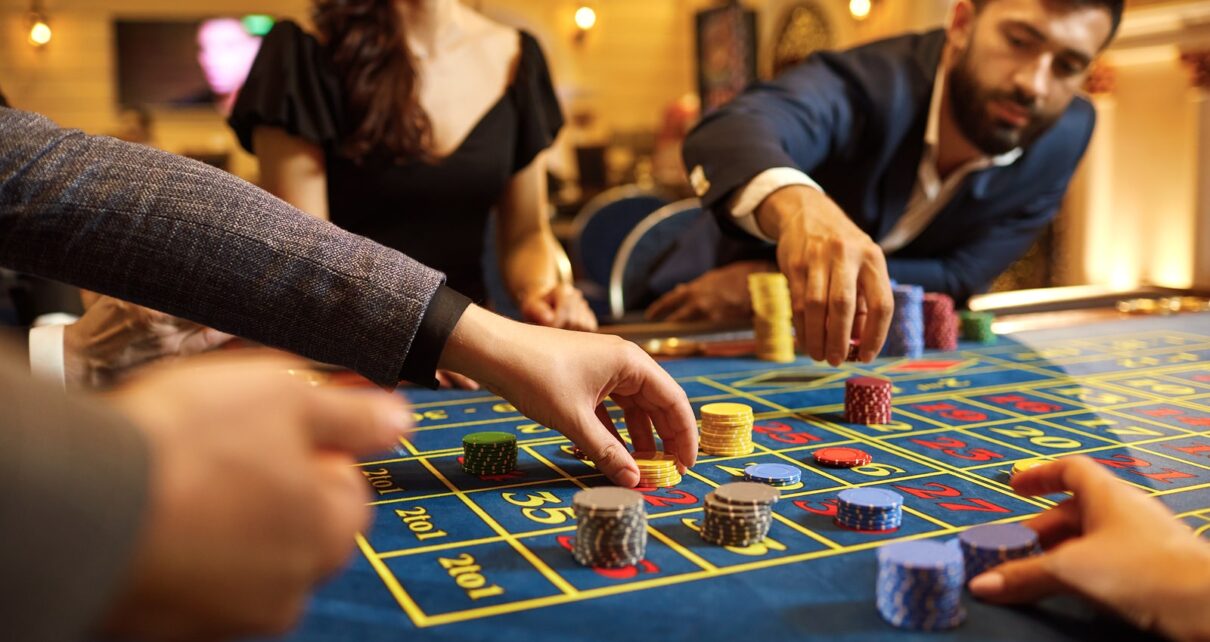
The physical and virtual environment of casinos is meticulously designed to enhance the gaming experience and influence decision-making. Bright lights, vibrant colors, and engaging sounds create a stimulating atmosphere that keeps players immersed in the moment. This sensory overload can lead to impulsive decisions, as the environment encourages players to stay longer and gamble more.
The Impact of Social Influence
Social dynamics significantly affect casino gaming decisions. Many players view gambling as a social activity, often visiting casinos with friends or family, which can amplify their desire to participate. The presence of others can lead to a phenomenon known as “social proof,” where individuals look to the behaviors of others to inform their own decisions. If a group is enjoying their time at a gaming table, individuals are more likely to join in, regardless of their initial intentions.
Additionally, online gaming platforms encourage interaction through chat features and live streaming. This social element can increase the excitement of the game, as players share experiences and celebrate wins together. The psychological impact of community can strengthen a player’s commitment to gaming, often leading to more frequent and higher-stakes decisions.
The Illusion of Control
A common psychological phenomenon among gamblers is the illusion of control, where players believe they can influence the outcome of a random event. For example, in games like poker or blackjack, players often feel that their skills can sway the results in their favor. This belief can lead them to make riskier bets, reinforcing their engagement with the game.
Even in games of pure chance, such as slot machines, players may adopt superstitious behaviors—like rubbing a lucky charm or pushing the button in a certain way—believing these actions can affect the outcome. This illusion enhances the gambling experience, as players feel more involved and invested, even in situations where their choices have no real impact on the result.
Conclusion: The Psychology of Gaming and Responsible Play
Understanding the psychology behind casino gaming decisions is essential for both players and operators. While the thrill of gambling can be exciting, it is vital to approach gaming responsibly. Awareness of psychological triggers, such as loss aversion and the illusion of control, can help players make more informed decisions and prevent harmful behaviors.
For those interested in exploring the thrilling world of online casinos, it is crucial to engage in responsible gaming practices. The right approach ensures that the excitement of gaming remains an enjoyable experience, free from negative consequences. Stay informed and play wisely to maintain a healthy relationship with casino gaming.
